In today’s digital business environment, customer relationships play a critical role in long-term success. Companies that understand their customers, communicate effectively, and provide personalized experiences achieve better growth and profitability. CRM software has become an essential tool that helps businesses build, manage, and strengthen customer relationships.
CRM, or Customer Relationship Management software, is a centralized platform that allows businesses to store customer data, track interactions, and manage communication across multiple channels. It helps sales, marketing, and support teams work together efficiently while providing a complete view of each customer.
One of the most important benefits of CRM software is centralized customer data management. Instead of storing information in different systems or spreadsheets, CRM platforms keep all customer details in one place. This includes contact information, purchase history, communication records, and preferences. Having this complete view helps businesses understand customers better.
Centralized data allows employees to deliver more informed and meaningful interactions. When teams have access to customer history, they can respond faster and provide better service. This improves customer satisfaction and strengthens trust.
Personalization is another major advantage of CRM systems. Modern customers expect businesses to understand their needs and offer relevant solutions. CRM software enables businesses to send personalized emails, recommend products, and create targeted marketing campaigns based on customer behavior.
Personalized communication helps build stronger relationships. Customers feel valued when businesses recognize their preferences and offer relevant services. This increases engagement and loyalty.
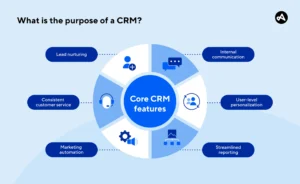
CRM software also improves communication between businesses and customers. Every interaction, including emails, calls, and messages, is recorded in the system. This ensures consistent communication and prevents customers from repeating information multiple times.
Faster response times are another key benefit. When support teams can quickly access customer information, they can resolve issues more efficiently. Quick and effective support improves customer experience.
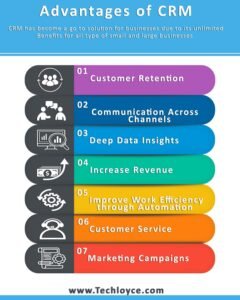
Automation is one of the most powerful features of CRM software. It allows businesses to automate repetitive tasks such as follow-up emails, lead nurturing, and customer onboarding. This saves time and ensures consistent communication.
Automation helps businesses maintain regular contact with customers. It ensures that no leads or customers are forgotten, which improves engagement and retention.
CRM systems also provide advanced analytics and reporting tools. These tools help businesses understand customer behavior, track engagement, and identify trends. Businesses can use these insights to improve marketing strategies and customer service.
Customer support improves significantly with CRM systems. Support teams can view customer history, track issues, and resolve problems more effectively. This improves service quality and customer satisfaction.
CRM platforms also enable omnichannel communication. Customers can interact through email, phone, social media, or chat, and all interactions are tracked in one system. This ensures a consistent experience across all channels.
Customer retention is one of the most important benefits of CRM software. By understanding customer behavior, businesses can identify potential issues and take action before customers leave. Retention strategies such as follow-ups, loyalty programs, and proactive support can be managed through CRM.
Loyal customers provide long-term value. They are more likely to make repeat purchases, recommend the business to others, and remain loyal over time.
CRM software also helps businesses increase customer lifetime value. By providing better service and personalized experiences, businesses can build long-term relationships with customers.

In competitive markets such as the United States, United Kingdom, and Europe, CRM systems are essential for meeting customer expectations. Businesses use CRM platforms to improve service quality and stay competitive.
CRM systems also support business growth. As businesses expand, managing customer relationships becomes more complex. CRM platforms help organize customer data and maintain consistent communication.
Modern CRM software integrates with various tools such as email systems, marketing platforms, and billing systems. This creates a complete ecosystem for managing customer relationships.
Data security is another important advantage. CRM systems protect sensitive customer information and ensure compliance with data protection regulations.
The future of CRM is driven by artificial intelligence and automation. Advanced CRM platforms will provide predictive insights and automate customer relationship management.
Businesses that adopt CRM technology can improve efficiency, increase customer satisfaction, and achieve higher profitability.
CRM software also improves team collaboration. Sales, marketing, and support teams can work together more effectively using shared customer information.
By improving communication, personalization, and customer support, CRM systems help businesses build stronger and more profitable relationships.
In conclusion, CRM software is an essential tool for modern businesses. It helps manage customer interactions, improve communication, increase retention, and enhance overall customer experience. Companies that use CRM systems effectively can achieve long-term success and sustainable growth.